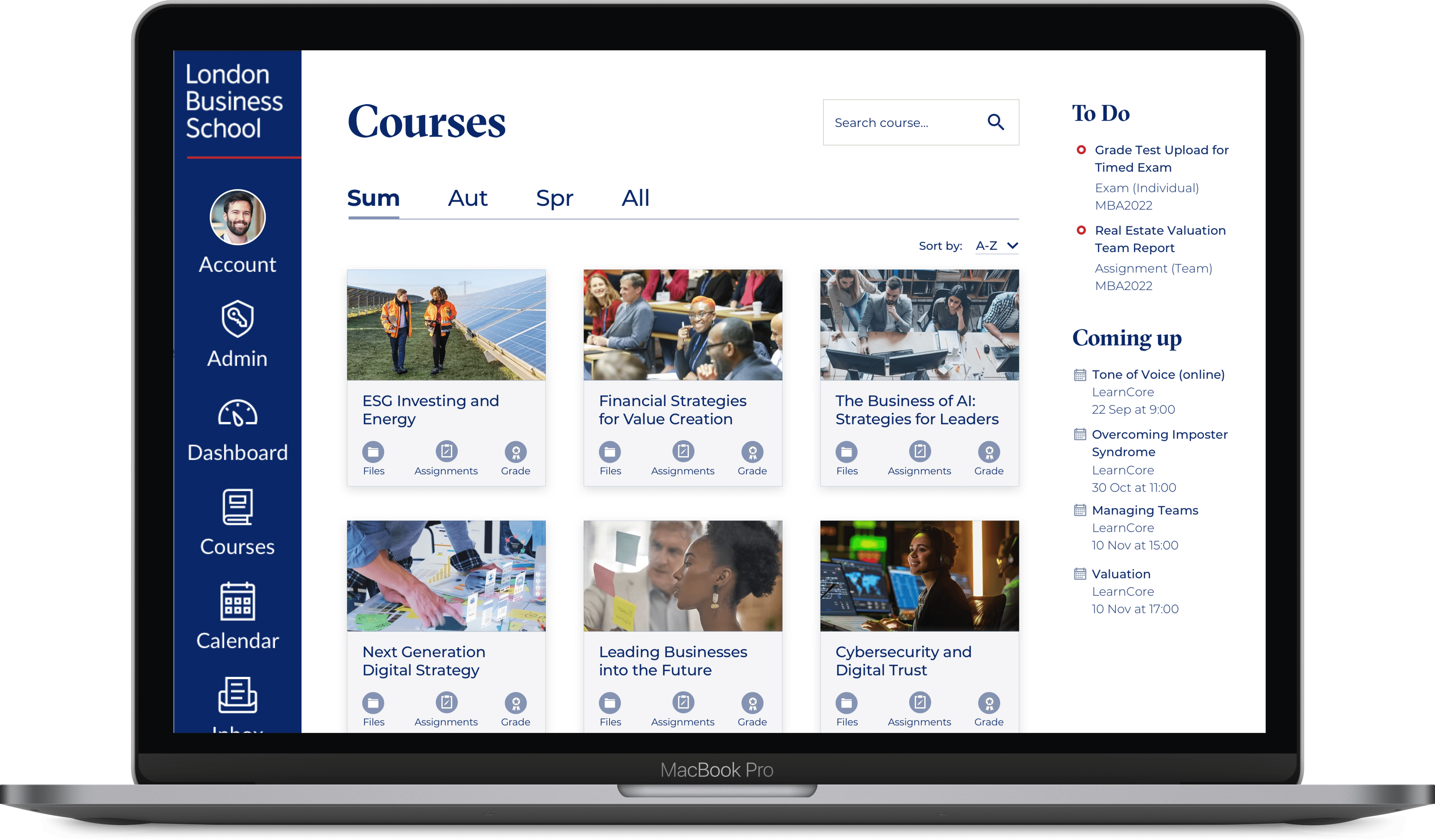
Enrolment Bidding System
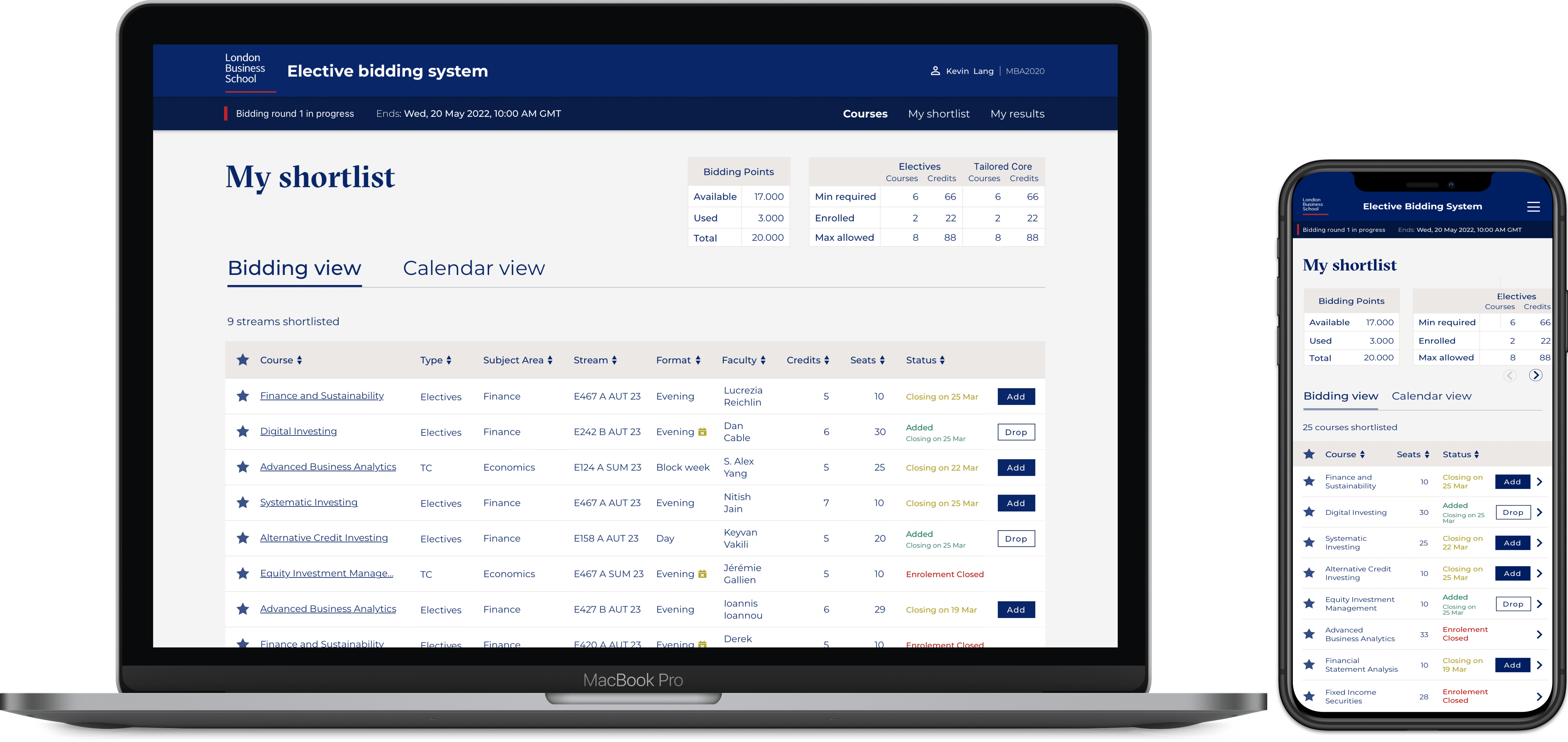
Decreasing the bidding time and planning effort by 65%
Transforming a fragmented, key academic workflow into a unified, student-centered experience
PROJECT OVERVIEW
The elective management ecosystem consisted of fragmented platforms, inconsistent data sources, and time-sensitive transactional processes. Students were required to deeply understand system logic and data dependencies in order to make informed decisions, often resorting to workarounds to compensate for system gaps.
My Role
Lead Designer
End-to-end ownership across user research, interaction design, visual design, prototyping, and user testing
Timeline
Jan 2022 - Mar 2023
THE PROBLEM
The existing elective bidding system at London Business School was fragmented, outdated, and no longer supported.
RESEARCH
Research question
“How might the elective selection and bidding experience enable degree education students to thrive in their studies at LBS and be best prepared to achieve their career goals?”
66 respondents
Purpose
Create a high-level understanding of students’ behaviors and opinions towards the elective bidding experience, especially around the two key systems provided by the school to serve this purpose – Course Directory and EBS.
How
Used Qualtrics to conduct an online survey with degree students.
Survey findings
9 participants
Purpose
Discover students’ needs, motivations, behaviour, journeys, feelings, opinions and desires in order to create a heuristic view of the whole bidding process.
How
Collected live data daily through WhatsApp over 3 weeks period across pre, during and post one bidding round.
5 participants
Purpose
To understand what students think of and do for add/drop phase of the bidding process.
How
Conducted virtual interviews with diary study participants using Teams.
Add/drop findings
APPROACH AND METHODOLOGY
The research identified 5 key findings:
1
The lack of a single centralised system results in inefficient student workflows.
2
The iterative and sophisticated nature of elective selection is underestimated in the current system.
3
Inconsistent information leads to mistrust between the students and the systems.
4
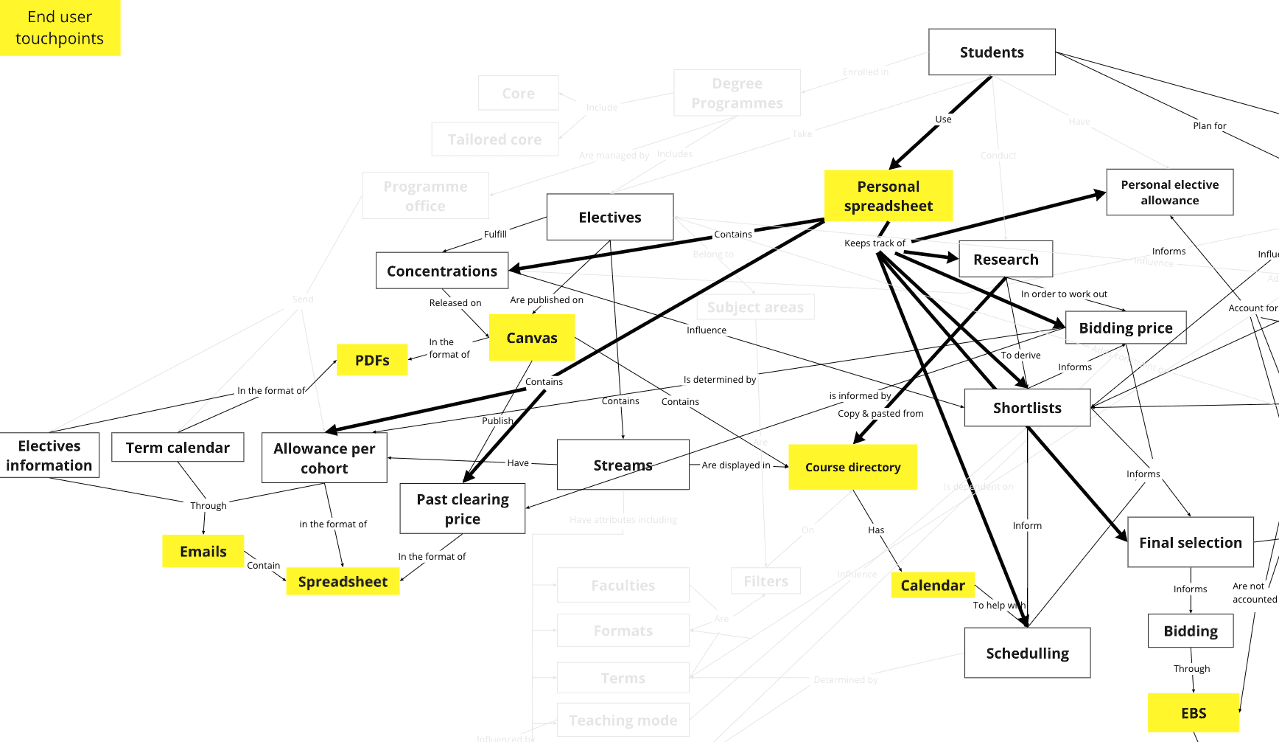
Decentralised communication and information display causes confusion and frustration amongst the students.
5
Information blackout period between the closure of bidding and publishing results causes anxiety and frustration amongst the students.
KEY INSIGHTS
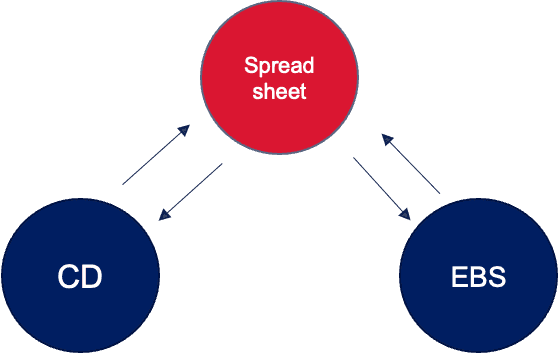
The lack of a single centralised system results in inefficient student workflow.
To fill in the gaps between current systems, students created personal spreadsheets in order to centrally organise and manipulate data.
Some of the activities performed outside of LBS systems are:
Copy and paste information from original sources into personal spreadsheet at the selection stage.
Manually search for courses finalised in personal spreadsheet in order to place bid in EBS.
Decentralised communication and information causes confusion and frustration amongst the students.
DEFINE
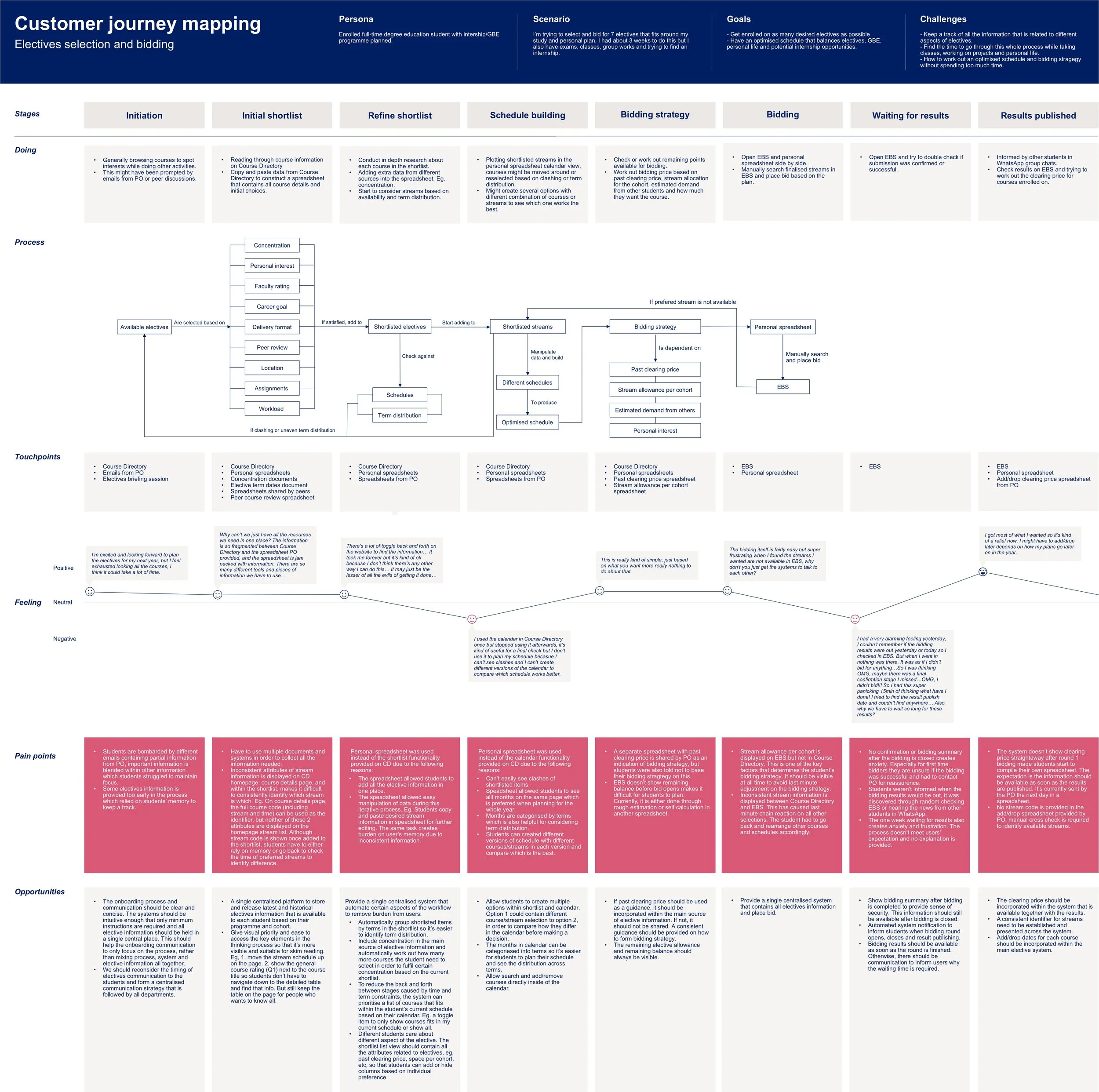
User journey mapping
I mapped the end-to-end journey to identify moments of confusion, friction, and anxiety, particularly where the experience broke down between choosing, bidding, and confirming electives.
IDEATION
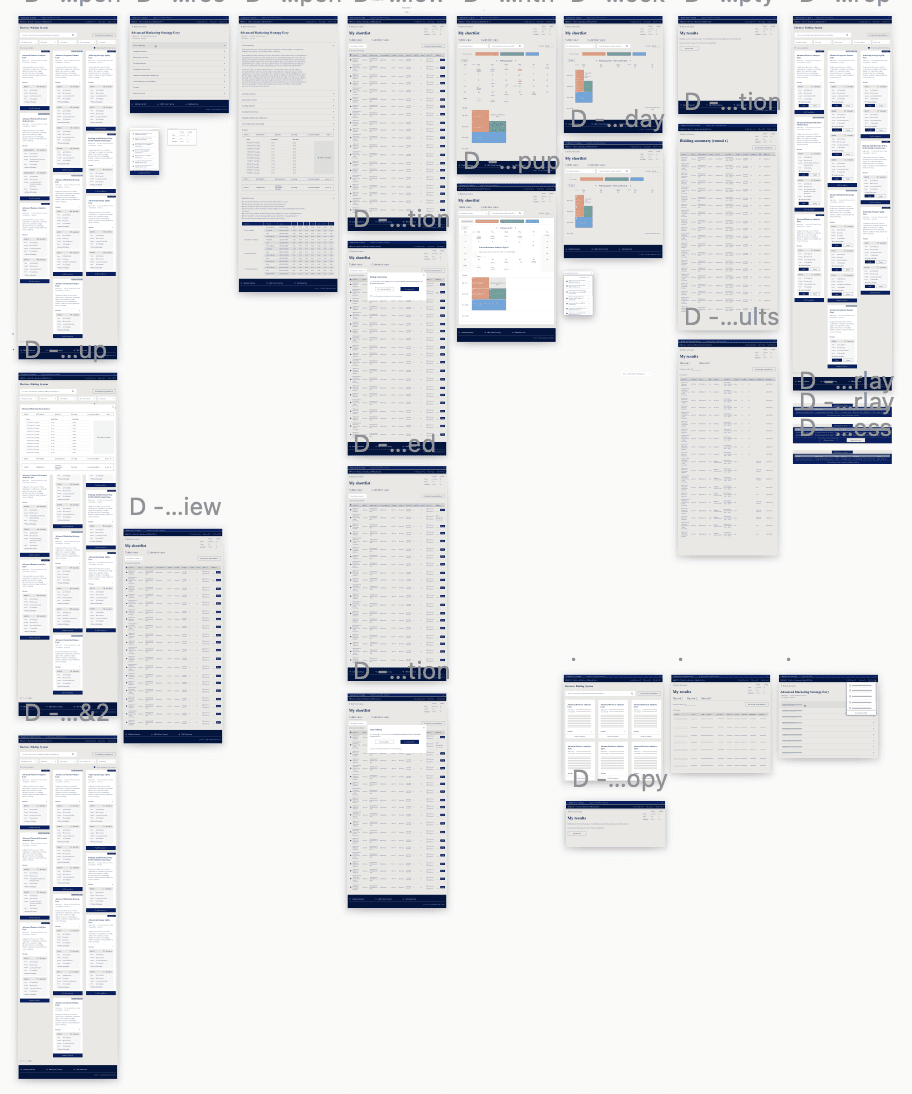
Ideation & Wireframing
Explored multiple end-to-end flows addressing key pain points from research
Sketched early concepts focused on shortlisting, comparison, and transparency
Collaborated closely with PMs and engineers to validate feasibility and constraints
The focus was not just on usability, but on supporting confident decisions under pressure.
TESTING
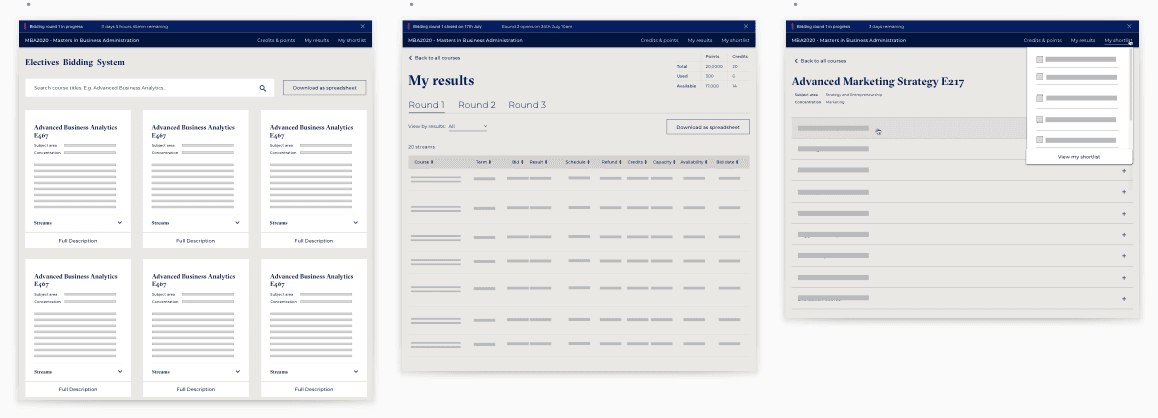
Testing Early Concepts to De-Risk Critical Workflows
Key usability issues identified included:
Scanning friction: Students struggled to quickly compare options within accordion-based layouts.
Mental model mismatch: Round-based tabs conflicted with how students thought about bidding and add/drop across time.
Limited functionality in the shortlist modal: Shortlist modals lacked sufficient actions, forcing users to navigate between multiple pages to complete simple workflows.
These insights directly informed iteration and prioritisation.
FINAL DESIGNS
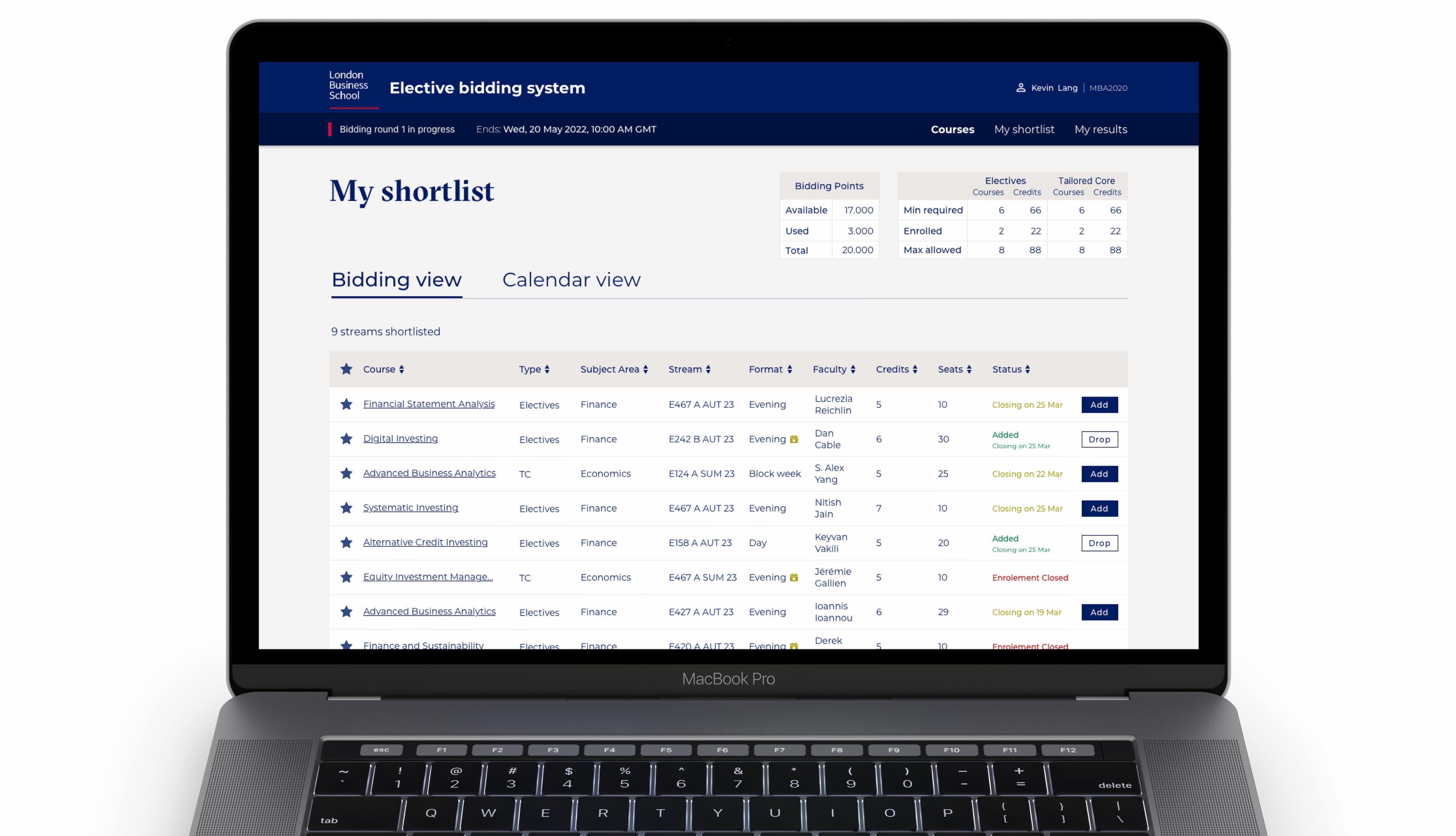
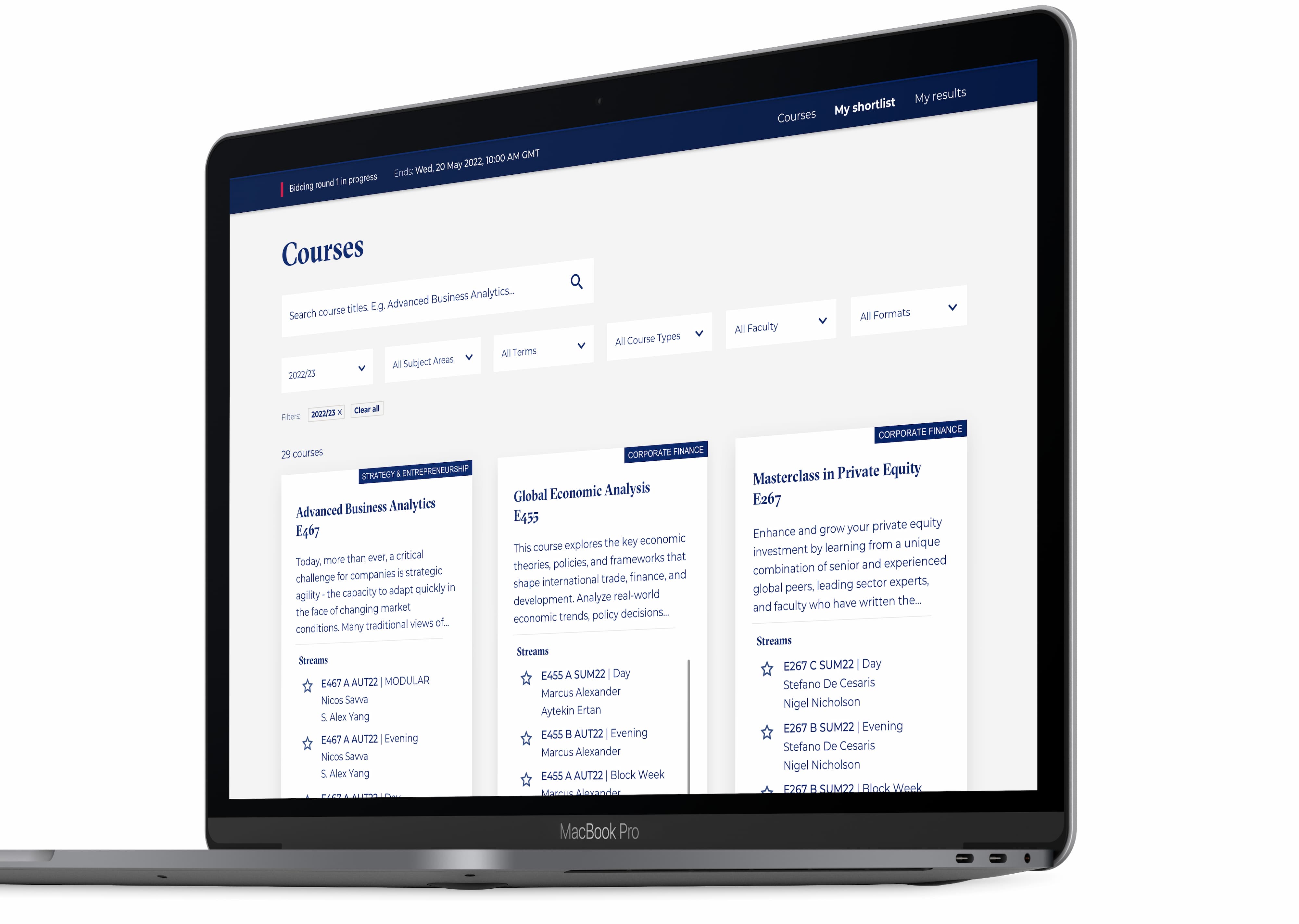
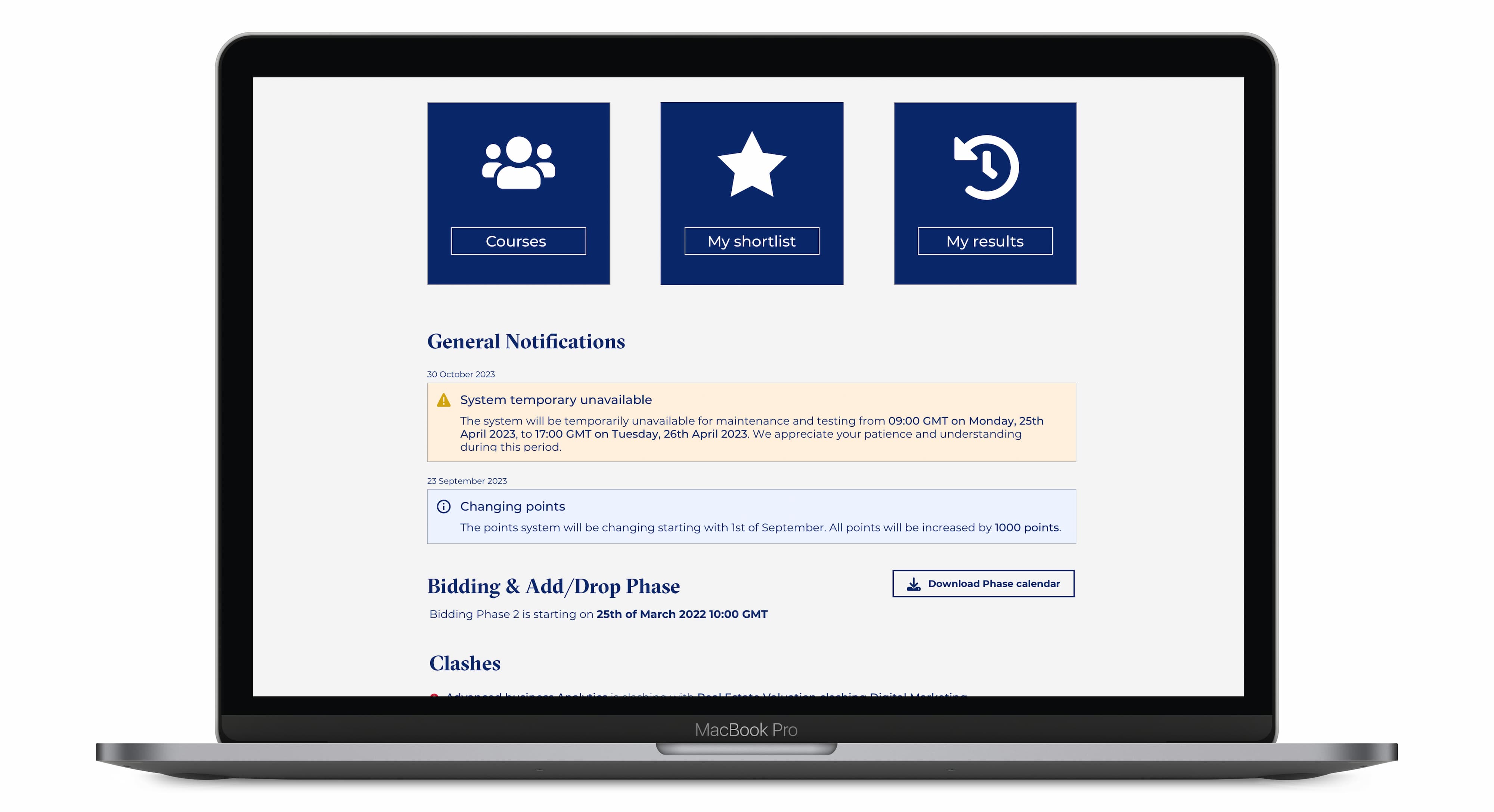
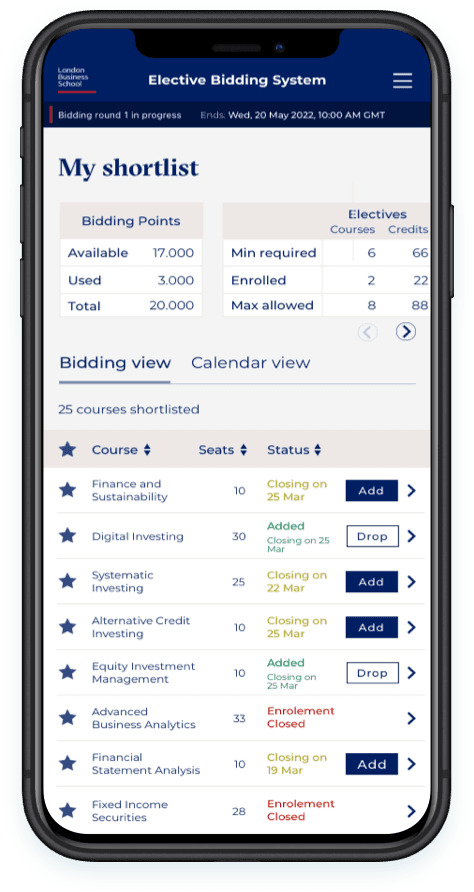
The Solution: A Unified, End-to-End Bidding Experience
The final design consolidated planning, bidding, and confirmation into a single, coherent system, reducing reliance on external tools and improving clarity at every step.
IMPACT
Impact & Outcomes

Reduced planning and bidding time by 65%

Significantly decreased reliance on personal spreadsheets

Improved student confidence during important decisions

Established a scalable foundation for future academic workflows
LESSONS LEARNED
What I could have done differently
1
Designing for Scalability Matters Early
Students’ reliance on spreadsheets highlighted the need to anticipate future features and evolving workflows from the outset.
2
Strengthen Cross-Functional Collaboration
Some design decisions were revisited late in the process due to technical constraints. Establishing more regular design–engineering syncs early on could have minimized rework and improved implementation efficiency.
3
Broaden Participant Diversity
In some rounds of testing, participants were degree students already familiar with the system. Including exchange students or admin staff could have exposed additional workflow challenges and edge cases.